
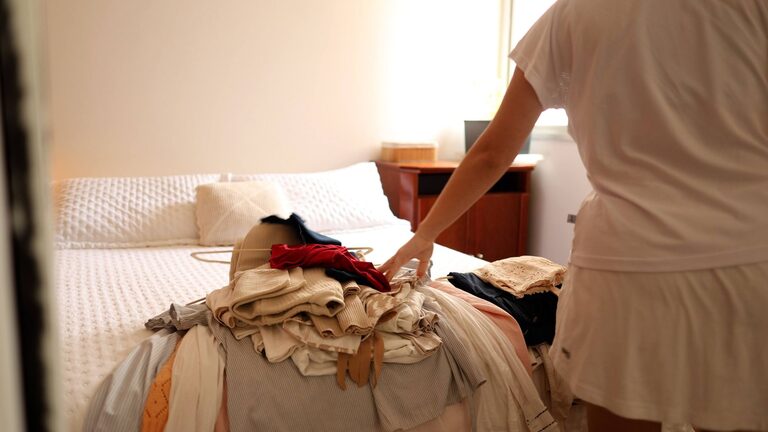
Decluttering your entire home can feel overwhelming, especially when every room seems to need attention. The good news is that you do not have to tackle everything at once. By focusing on one room at a time, you can make steady progress without creating unnecessary stress.
A room-by-room approach gives you a clear starting point, a manageable goal, and a visible sense of accomplishment. Whether you live in a small apartment or a large house, these practical steps can help you create a cleaner, calmer, and more useful home.
Start With a Simple Decluttering Plan
Before opening every cabinet and closet, decide how you will work. A little planning can make the process faster and easier.
Choose One Room or Area
Pick a room that will make a noticeable difference in your daily life. The kitchen, entryway, bedroom, or living room may be a good place to begin. If a full room feels too large, choose one area, such as a desk, closet, or set of shelves.
Set aside a realistic amount of time. Thirty minutes may be enough for a small area, while a larger room could require several sessions. Avoid starting more than one room at a time, since unfinished projects can make your home feel more chaotic.
Prepare Sorting Containers
Use four boxes, bags, or clearly marked piles:
– Keep
– Donate
– Recycle or discard
– Relocate
The “relocate” category is for items that belong in another room. Try not to leave the room repeatedly while sorting. Place these items in a basket and return them after you finish.
Declutter the Entryway
The entryway sets the tone for your home and often becomes a landing place for shoes, mail, bags, and miscellaneous items.
Begin by removing everything from the floor, nearby surfaces, and storage baskets. Keep only the items your household uses regularly when coming and going.
Consider these simple changes:
– Keep only current-season shoes near the door.
– Use hooks for coats, bags, and keys.
– Recycle old mail immediately.
– Place a small tray near the entrance for daily essentials.
– Store occasional items, such as umbrellas or guest accessories, in a nearby closet.
Avoid using the entryway as temporary storage. A clear entrance makes it easier to leave and return home without adding to the clutter.
Simplify the Kitchen
Kitchens often collect duplicate tools, expired products, and items that are rarely used. Work in sections instead of emptying the entire kitchen at once.
Start with one drawer, cabinet, or shelf. Remove everything, wipe the space, and return only what you use and need.
Ask yourself:
– Do I have more than one item that performs the same task?
– Have I used this in the past year?
– Is it easy to clean and store?
– Does it fit the way I prepare food?
– Would I replace it if it broke?
Group similar items together, such as baking supplies, cooking tools, and food storage containers. Match containers with their lids and recycle pieces that no longer have a pair.
For pantry shelves, place older items toward the front and newer items behind them. This helps you use what you already have and makes the space easier to maintain.
Create a More Peaceful Bedroom
A bedroom should support rest, not serve as a storage area for unfinished tasks. Begin with visible surfaces, including nightstands, dressers, and chairs.
Remove empty packaging, old papers, unused accessories, and clothing that does not belong in the room. Then review your closet and drawers.
Use a Clothing Test
For each item, consider:
– Does it fit comfortably?
– Have I worn it recently?
– Is it in good condition?
– Do I feel good wearing it?
– Does it suit my current lifestyle?
Place items that need repair in a separate bag with a deadline. If you do not repair them within a reasonable period, consider donating or recycling them according to local guidelines.
Keep everyday clothing in the easiest-to-reach areas. Store seasonal clothing in labeled containers or on higher shelves. Avoid filling drawers and shelves so tightly that putting clothes away becomes difficult.
Tidy the Living Room
Living rooms tend to collect books, toys, electronics, blankets, and items from other parts of the home. Begin by clearing the floor and major surfaces.
Return items to their proper rooms, then sort what remains. Keep decorations that you genuinely enjoy, but avoid displaying so many objects that cleaning becomes difficult.
Useful ideas include:
– Use one basket for blankets or reading materials.
– Limit decorative items on tables and shelves.
– Store remote controls in one consistent location.
– Keep only books you plan to read or revisit.
– Create a designated place for children’s toys.
If the room has multiple purposes, use small zones. A reading corner, work area, or play space can help each activity stay organized.
Organize the Bathroom
Bathrooms are usually small, so even minor clutter can make them feel crowded. Remove everything from one drawer or cabinet at a time and check product dates, condition, and frequency of use.
Discard empty containers and items you no longer use. Group products by purpose, such as hair care, skin care, grooming, and first aid supplies.
Keep daily-use items within easy reach and move occasional items to higher shelves or labeled containers. Avoid storing too many backup products if you have limited space. Use the items you already own before purchasing more.
Refresh the Home Office
A cluttered workspace can make everyday tasks more difficult. Start with the desktop, then move to drawers, shelves, and filing areas.
Recycle outdated papers and organize important documents in clearly labeled folders. Keep only the office supplies you use regularly within arm’s reach. Store extras together so you know what you already have before shopping.
Create a simple system for incoming papers:
- Review them as soon as possible.
- Recycle anything unnecessary.
- File items that need to be kept.
- Add tasks to a calendar or list.
- Remove papers once they are no longer useful.
A clear workspace does not need to be completely empty. It simply needs to support the way you work.
Finish With a Maintenance Routine
Decluttering works best when it becomes a regular habit. Once you finish a room, spend a few minutes each day returning items to their proper places.
Try these maintenance habits:
– Put items away after using them.
– Sort mail near the recycling bin.
– Follow a one-in, one-out rule for certain categories.
– Do a quick evening reset.
– Review one small area each week.
– Keep donation items in a designated bag or box.
Do not aim for a perfect home. Aim for a home that is easier to use and maintain. Progress may happen slowly, but each cleared drawer, shelf, and surface creates more space and reduces daily frustration.
Decluttering one room at a time turns a large project into a series of manageable steps. With a clear plan, thoughtful decisions, and simple routines, you can create a home that feels more comfortable, functional, and welcoming.