
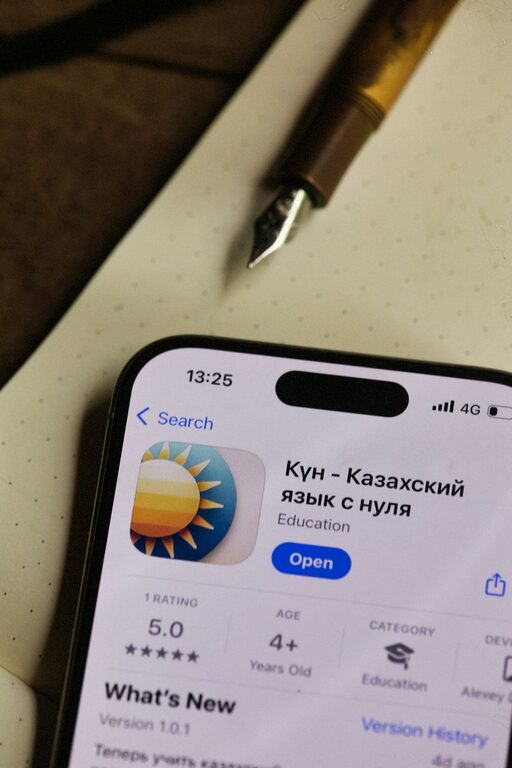
Learning a new language can seem expensive or time-consuming, but you can make steady progress with free digital tools. Many websites, apps, videos, podcasts, and online communities provide useful lessons without requiring a paid subscription.
The key is not to collect every tool available. Instead, choose a small group of resources that support your goals and use them consistently. A simple routine of listening, reading, speaking, and writing can help you build practical skills over time.
Set a Clear Language Learning Goal
Before choosing digital tools, decide what you want to do with the language. Your goal will guide the type of practice you need.
For example, you may want to:
- Hold basic conversations while traveling
- Understand videos, music, or podcasts
- Read books, websites, or news articles
- Communicate with friends or relatives
- Prepare for a language exam
- Use the language at work or school
It also helps to set a short-term target. Instead of saying, “I want to become fluent,” try a goal such as, “I will learn 20 useful phrases this month” or “I will practice listening for 15 minutes each day.”
Use Free Apps for Vocabulary and Grammar
Free language-learning apps can help you review vocabulary, learn common phrases, and practice basic grammar. Many use short lessons, quizzes, and reminders to make study easier to fit into a busy schedule.
When choosing an app, look for features such as:
- Spaced repetition for reviewing words over time
- Audio from clear and natural speakers
- Example sentences instead of isolated words
- Progress tracking
- Lessons that match your current level
Avoid relying on an app as your only learning method. Apps are useful for building a foundation, but real progress also requires listening to natural speech and using the language in context.
Create a small daily habit, such as completing one lesson during breakfast or reviewing vocabulary before bed. Ten focused minutes every day is often more useful than one long session once a week.
Learn From Free Videos
Video platforms offer lessons for nearly every major language. Search for beginner courses, pronunciation guides, grammar explanations, and everyday conversations.
To make video practice more effective, follow a simple process:
- Watch the video once to understand the general meaning.
- Watch it again and pause to write down useful words or phrases.
- Repeat selected sentences aloud.
- Watch one final time without pausing.
Choose videos that are slightly above your current level. If you understand every word, the material may be too easy. If you understand almost nothing, choose a simpler video or use subtitles.
Subtitles can help, but use them carefully. Start with subtitles in the language you are learning when possible. If the video is too difficult, use subtitles in your native language briefly, then watch the same section again with the target-language subtitles.
Improve Listening With Free Podcasts
Podcasts are helpful because they expose you to natural rhythm, pronunciation, and everyday expressions. Many podcast creators offer beginner programs with slower speech and explanations. Others provide short stories or conversations for intermediate learners.
Choose episodes that are short enough to repeat. A five-minute episode can provide more learning value than a long program that you listen to only once.
Try these listening activities:
- Listen once without stopping to identify the main idea.
- Listen again and note familiar words.
- Replay difficult sections at a slower speed if available.
- Repeat short phrases aloud.
- Write a brief summary using simple language.
Do not worry about understanding every word. Focus first on the overall meaning, then gradually notice more details as you become familiar with the topic.
Build a Reading Habit Online
Free online reading materials can help you learn vocabulary in context. Start with content that matches your interests, such as recipes, travel guides, sports articles, short stories, or hobby websites.
If regular articles feel too difficult, look for:
- Graded readers for language learners
- Children’s stories
- Simple news websites
- Public domain books
- Online dictionaries with example sentences
Avoid looking up every unfamiliar word. First, try to understand the sentence from context. Then check only the words that are important to the meaning or appear repeatedly.
Keep a digital vocabulary list with the word, its meaning, and an example sentence. Adding a sentence helps you remember how the word is actually used.
Practice Speaking for Free
Speaking practice is one of the most important parts of language learning, yet many learners avoid it because they are afraid of making mistakes. Free digital tools can make speaking practice more accessible.
You can:
- Record yourself reading a short passage
- Describe your room, plans, or daily routine aloud
- Repeat sentences from videos or podcasts
- Use free language exchange communities
- Join online conversation groups
Start with simple topics. Talk about your family, hobbies, meals, work, or weekend plans. Record a one-minute message, listen to it, and try again with one improvement. You might focus on pronunciation, word order, or speaking more smoothly.
If you use a language exchange platform, choose communities with clear safety rules. Do not share private information, and remember that a language exchange works best when both people have time to practice and help each other.
Use Digital Notes and Flashcards Wisely
A notes app or spreadsheet can become a useful personal language notebook. Organize your notes into sections such as vocabulary, phrases, grammar examples, and questions.
Flashcards are most effective when they include useful information. Instead of writing only “apple equals pomme,” write a short sentence such as, “I eat an apple in the afternoon.” Add audio or an image when possible.
Review older material regularly. A common mistake is to keep adding new words without revisiting previous ones. Schedule a short review every few days so that important vocabulary moves into long-term memory.
Create a Simple Weekly Routine
A balanced routine should include more than one type of practice. Here is an example using free digital tools:
- Monday: Complete a short app lesson and review vocabulary.
- Tuesday: Watch a beginner video and repeat key phrases.
- Wednesday: Read a short article and save useful expressions.
- Thursday: Listen to a podcast episode and write a summary.
- Friday: Record yourself speaking for two minutes.
- Saturday: Join a conversation group or language exchange.
- Sunday: Review the week and choose the next topics.
You can shorten or rearrange this plan to fit your schedule. Consistency matters more than completing a perfect routine.
Track Progress Without Spending Money
Use a calendar, spreadsheet, or notes app to track your practice. Record the date, activity, and a brief comment about what you learned.
Every few weeks, check your progress by completing the same task again. For example, record yourself describing your daily routine or reread an earlier article. Comparing your results can show improvement that is difficult to notice day by day.
Free digital tools can provide lessons, practice, and community support, but your habits make the biggest difference. Choose reliable resources, study a little each day, and use the language in meaningful situations. With patience and regular practice, you can build strong communication skills without a large budget.