
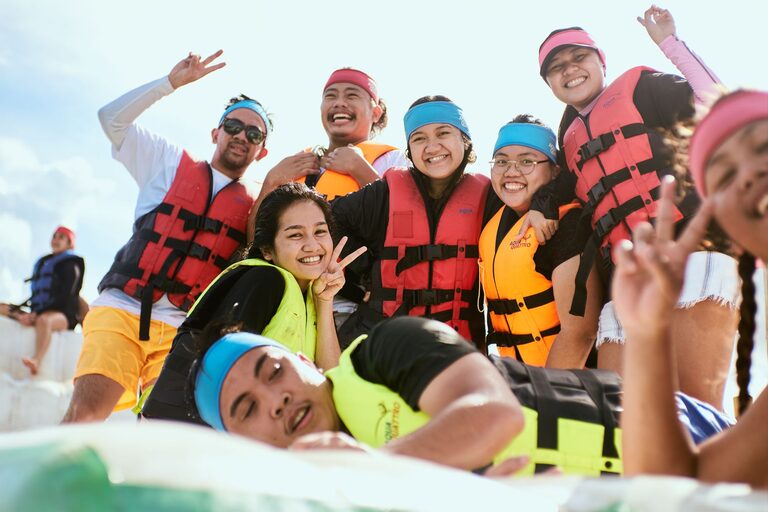
Meeting new people can feel easier when everyone has a shared activity to enjoy. Group activities create natural opportunities to start conversations, work together, and discover common interests without the pressure of formal introductions.
Whether you are new to a neighborhood, looking to expand your social circle, or organizing an event for friends and coworkers, the right activity can help people feel comfortable and included. Here are fun group ideas for a wide range of interests, schedules, and comfort levels.
Why Group Activities Help People Connect
Shared activities give people something to talk about and do together. Instead of relying on small talk alone, participants can focus on a game, project, class, or challenge. This often makes conversations feel more natural.
Group activities can also help people:
– Meet others with similar interests
– Practice teamwork and communication
– Build confidence in social settings
– Create positive shared memories
– Discover new hobbies
– Stay connected through regular gatherings
The best activities are welcoming, easy to understand, and flexible enough for different personalities and skill levels.
1. Host a Casual Potluck
A potluck is a simple way to bring people together around food. Ask each guest to bring a snack, side dish, dessert, or drink. You can choose a theme, such as comfort food, favorite family recipes, or dishes from around the world.
To make the gathering more interactive, invite guests to share the story behind their dish. You can also provide recipe cards so people can exchange ideas and continue conversations.
Tips for a successful potluck
– Provide a clear list of food categories
– Ask about dietary needs ahead of time
– Include easy conversation areas, such as a patio or living room
– Use name tags if many guests do not know one another
– Plan a simple icebreaker before the meal
A potluck works well because guests can contribute in a way that feels comfortable, whether they enjoy cooking, decorating, or simply joining the conversation.
2. Organize a Board Game Night
Board games can quickly bring energy and laughter to a gathering. Choose games that are easy to learn and encourage interaction. Word games, team trivia, cooperative games, and quick card games are often good choices for mixed groups.
Set up several tables so people can try different games and meet more than one group of participants. Avoid making the event too competitive, especially if guests are meeting for the first time.
Consider including:
– Team trivia
– Word association games
– Cooperative mystery games
– Classic card games
– Fast party games
– Puzzles completed by small groups
A short game rotation can help guests interact with different people throughout the evening.
3. Join a Walking or Hiking Group
Walking is a relaxed activity that allows conversation to happen naturally. A neighborhood walk, park outing, or easy nature trail can appeal to people who enjoy spending time outdoors without needing special equipment.
Choose a route that matches the group’s experience and fitness levels. Keep the pace comfortable, and plan a stop where everyone can rest or enjoy a snack.
For a more social experience, try:
– A weekend park walk
– A photo walk
– A local history walk
– A dog-friendly walking group
– A seasonal nature outing
Walking side by side can feel less formal than sitting across from someone, making it a comfortable option for quieter participants.
4. Take a Creative Class Together
Creative activities give people a chance to learn something new while working near others. You might arrange a group class in painting, pottery, drawing, photography, cooking, or crafting.
You do not need professional skills to enjoy these activities. Beginner-friendly classes are often the most welcoming because everyone is learning at a similar level.
If a formal class is not available, host a simple creative evening at home or in a community space. Provide basic supplies and choose a project with clear instructions. The goal is to enjoy the process, not produce perfect results.
5. Plan a Volunteer Day
Volunteering brings people together through a shared purpose. Look for local opportunities such as community cleanups, food drives, library projects, or neighborhood gardening.
Before choosing an event, confirm the age requirements, time commitment, and tasks involved. Make sure the work is suitable for everyone in your group.
After the activity, invite participants to share refreshments or attend a casual meal. This gives people time to talk about the experience and get to know one another beyond the volunteer setting.
6. Create a Group Cooking or Baking Event
Cooking together is hands-on, social, and easy to customize. You can prepare a complete meal, decorate cookies, make homemade pizza, or try recipes from a particular region.
Divide participants into small teams and assign each team one part of the meal. This encourages cooperation while keeping the workload manageable.
For a smooth event:
– Choose recipes with simple instructions
– Prepare ingredients in advance
– Assign tasks for different comfort levels
– Keep extra snacks available
– Leave time to enjoy the finished meal together
Cooking activities often create natural conversation because people can share food preferences, family traditions, and helpful tips.
7. Try a Trivia or Quiz Night
Trivia can be a lively choice for groups that enjoy friendly competition. Use a mix of topics so participants with different interests have a chance to contribute.
Form teams instead of having individuals compete alone. This reduces pressure and encourages people to work together. Add a few fun categories, such as music clips, local landmarks, memorable sayings, or unusual facts.
Keep the tone light and celebrate creative answers as well as correct ones. A small prize, such as a snack basket or handmade certificate, can add excitement without making the event feel too serious.
8. Start a Book, Film, or Podcast Club
A discussion group can help people connect through ideas and stories. Choose one book, film, or podcast episode for each meeting, then prepare a few open-ended questions.
Not everyone needs to have the same opinion. Encourage participants to share what they enjoyed, what surprised them, and which parts they found meaningful.
To make the group more accessible, consider alternating between different formats. One month could feature a short book, while the next meeting focuses on a film or podcast that requires less preparation.
How to Make Group Activities More Welcoming
A well-planned activity can still feel difficult if guests do not know what to expect. Share key details in advance, including the location, schedule, cost, dress suggestions, and whether participants need to bring supplies.
During the event:
– Greet each person when they arrive
– Introduce newcomers to at least one other guest
– Explain the activity clearly
– Avoid putting anyone on the spot
– Offer options for joining, observing, or taking a break
– Watch for people who may be left out of conversations
– End with information about future gatherings
It is also helpful to choose activities that allow people to participate at different levels. Some guests may enjoy leading a team, while others may prefer a quieter supporting role.
Keep the Momentum Going
One successful event can become the beginning of a new social tradition. If people enjoy the activity, suggest meeting again at a regular time, such as the first Saturday of each month or every other Thursday evening.
You can rotate responsibilities so one person does not have to organize everything. Participants might take turns choosing the activity, finding a location, preparing supplies, or welcoming guests.
The most important goal is not to create a perfect event. It is to provide a friendly setting where people can spend time together and feel comfortable returning. With a little planning and an open attitude, simple group activities can lead to meaningful friendships and a stronger sense of community.