
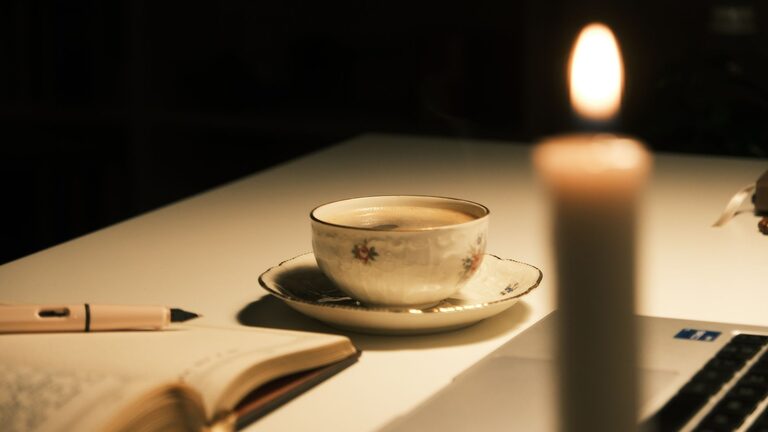
A relaxing evening routine does not need to be complicated. In fact, the simplest routines are often the easiest to maintain. By setting aside screens for part of the evening, you can create space for quiet activities, personal reflection, and a smoother transition from a busy day to a calmer night.
You do not need to give up technology completely or follow a strict schedule. The goal is to build a gentle routine that fits your life and helps you feel more present. With a few thoughtful choices, your evening can become a time to slow down instead of a final rush through messages, videos, and endless scrolling.
Why Create a Screen Free Evening Routine?
Screens are useful throughout the day, but they can also make it harder to shift into a relaxed evening mindset. Notifications, entertainment, and unfinished tasks may keep your attention active when you would rather wind down.
A screen free routine gives your mind a clear change of pace. It can help you:
– Create a stronger boundary between work and personal time
– Spend more time on restful activities
– Become more aware of how you feel at the end of the day
– Make room for hobbies and personal care
– Reduce distractions before bedtime
– End the day with greater intention
This does not have to be an all-or-nothing plan. Start with 20 or 30 minutes without screens, then extend the time if it feels comfortable.
Choose a Realistic Starting Time
A routine works best when it matches your regular schedule. Choose a time when your main responsibilities are mostly complete, such as after dinner or one hour before bed.
If your evenings vary, create a flexible starting point instead of choosing an exact time. For example, you might begin your screen free routine after you finish cleaning the kitchen, preparing for the next day, or helping family members settle in.
Consider these questions:
– When do you usually finish your main evening tasks?
– What time would allow you to feel less rushed?
– Which screens tend to distract you the most?
– How much screen free time feels realistic at first?
Starting small makes it easier to build consistency. You can always adjust the routine as you learn what works.
Create a Simple Transition
Moving directly from a busy day into complete quiet can feel awkward. A transition activity can signal that the evening is changing.
Try one of these simple options:
– Change into comfortable clothing
– Wash your face or take a warm shower
– Put away work materials
– Dim the lights
– Make a caffeine free drink
– Play quiet music
– Tidy one small area
– Step outside for fresh air
These actions do not need to take long. Even five minutes can help you separate daytime responsibilities from evening relaxation.
Prepare Your Space for Calm
Your surroundings can influence how easy it is to relax. You do not need to redesign your home. A few small adjustments may be enough to make your evening space feel more welcoming.
Start by reducing visual clutter in the area where you plan to spend time. Clear a chair, organize a table, or put away items that remind you of unfinished work. Use softer lighting if possible, and gather the items you may want during your routine.
For example, keep a small basket nearby with:
– A book or magazine
– A notebook and pen
– Coloring supplies
– A puzzle
– Hand cream
– A deck of cards
– A favorite tea or water bottle
Preparing your space in advance removes small obstacles and makes it easier to begin.
Choose Relaxing Activities
The best screen free activities are enjoyable, simple, and easy to start. You do not need to fill every minute. Quiet pauses are also a valuable part of an evening routine.
Read Something Enjoyable
Reading can be a peaceful way to end the day. Choose something that feels pleasant rather than demanding. A novel, collection of essays, magazine, or poetry book may work well.
Keep your book visible so you are more likely to pick it up. If you find it difficult to concentrate, begin with just a few pages.
Write in a Journal
Journaling can help you put the day into words. You do not need to write a long entry or make every thought sound polished.
Try answering one of these prompts:
– What was one good moment today?
– What is taking up most of my attention?
– What would make tomorrow feel easier?
– What am I looking forward to?
– What can I leave for another day?
A short list may be enough. You could write three things you noticed, one task for tomorrow, and one activity you enjoyed.
Practice a Gentle Hobby
A hands on hobby can give your attention a calm focus. Consider knitting, drawing, painting, folding paper, doing a puzzle, caring for plants, or working on a craft project.
Choose activities that do not feel like another obligation. The purpose is not to produce something perfect. It is to enjoy a slower pace and give yourself a break from digital content.
Stretch or Move Gently
Light movement can help you release some of the tension that builds during the day. Try a few simple stretches, slow yoga poses, or a relaxed walk around your home or neighborhood.
Keep the activity comfortable and unhurried. The aim is to transition into the evening, not to complete an intense workout.
Make Tomorrow Easier
A few minutes of preparation can reduce morning stress. Before settling down, take care of small tasks that often create pressure the next day.
You might:
– Choose an outfit
– Pack a bag
– Write a short to do list
– Set out breakfast items
– Check the next day’s calendar
– Put keys and essentials in one place
Keep this step brief. If planning begins to feel like work, write down only the most important reminders and leave the rest for tomorrow.
Set Aside Your Devices
A screen free routine is easier when devices are not within constant reach. Place your phone on a charger outside the bedroom or across the room. Turn off nonessential notifications, and let close contacts know when you are usually unavailable.
If you use your phone as an alarm, consider placing it far enough away that you will not use it from bed. A basic alarm clock can also make it easier to keep your phone out of your evening space.
You may still need a device for certain responsibilities. In that case, create a clear limit, such as checking messages once and then putting the device away.
Build a Routine You Can Maintain
Your routine does not need to look perfect every night. Busy days, travel, guests, and unexpected tasks are a normal part of life. What matters is returning to the routine when you can.
A simple evening plan might look like this:
- Finish dinner and basic chores.
- Put devices away for 30 minutes.
- Dim the lights and prepare a warm drink.
- Read, journal, or enjoy a quiet hobby.
- Prepare one or two things for tomorrow.
- Spend a few minutes in silence or with gentle music.
- Begin your bedtime routine.
You can change the order or remove any step that does not suit you. The most effective routine is one that feels calming rather than restrictive.
Give Yourself Time to Adjust
If you are used to spending your evenings on screens, quiet time may feel unusual at first. You may reach for your phone automatically or feel unsure what to do next. This is normal.
Keep a short list of screen free activities nearby so you have easy alternatives. Start with a limited period, and focus on how the routine feels instead of judging whether you followed it perfectly.
Over time, a screen free evening can become a welcome pause in your day. With a comfortable setting, a few enjoyable activities, and realistic expectations, you can create a routine that helps you slow down and end each evening with greater calm.