
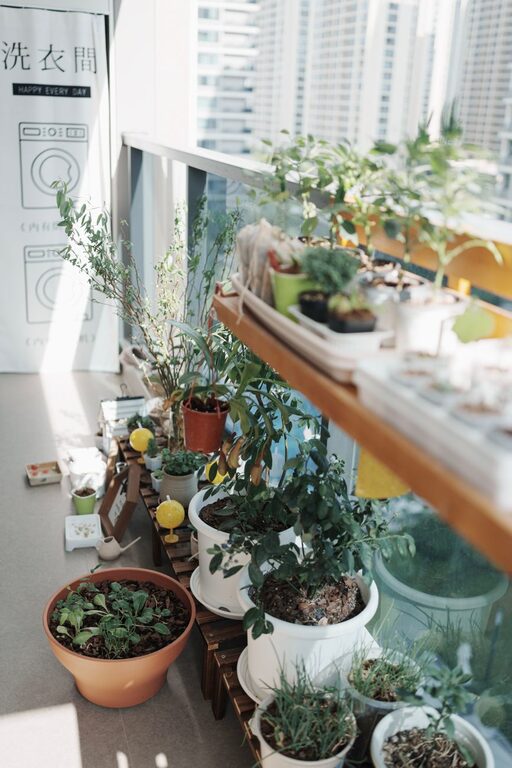
Small patios and balconies can become welcoming green spaces with a few well-planned projects. You do not need a large yard, expensive tools, or advanced gardening skills to grow herbs, flowers, and compact vegetables. The key is to choose containers and plants that suit your available light, space, and time.
Before starting, check that your balcony or patio can safely support the containers you plan to use. Keep walkways, doors, and drainage areas clear. Once you understand your space, try one or more of these easy gardening projects.
1. Build a Simple Container Garden
Container gardening is one of the easiest ways to add plants to a small outdoor area. Almost any clean container can work if it is large enough for the plant and has drainage holes.
What you need
– Pots, planters, or recycled containers
– Potting mix
– Plants or seeds
– A small trowel
– A watering can
– A tray or saucer for indoor-style containers
Choose containers in different sizes to create visual interest. Place taller pots at the back or in corners, and use smaller ones near seating areas or railings. Grouping several containers together can make a small collection feel like a complete garden.
Use potting mix made for containers rather than soil collected from outside. Garden soil can become heavy and may not drain well in a pot. Fill each container nearly to the top, leaving a little space so water does not spill over the sides.
2. Grow a Compact Herb Garden
Fresh herbs are useful, attractive, and well suited to containers. A sunny patio or balcony can support a small herb garden with just a few pots.
Good choices include:
– Basil
– Chives
– Parsley
– Thyme
– Mint
– Oregano
– Rosemary
Most herbs prefer several hours of sunlight each day. Place them where they are easy to reach so you remember to harvest them regularly. Harvesting also encourages many herbs to produce fresh growth.
Mint can spread quickly, so grow it in its own container. Rosemary and thyme prefer soil that dries slightly between waterings, while basil and parsley usually appreciate more consistent moisture. Check the care label when buying plants, since light and watering needs can vary.
For an especially simple project, place three small herb pots on a narrow shelf or a sturdy plant stand. Add small labels made from wooden sticks, painted stones, or recycled plastic tags.
3. Create a Vertical Garden
When floor space is limited, grow upward. Vertical gardens use walls, railings, or freestanding frames to hold plants without taking up much room.
You can create a vertical garden with:
– A tiered plant stand
– Wall-mounted pots
– A hanging shoe organizer
– A wooden ladder
– A railing planter
– A narrow trellis
Choose lightweight containers for balconies and secure them carefully. Use a trellis for compact climbing plants such as small flowering vines, climbing beans, or certain varieties of cucumbers. Make sure the support is stable and appropriate for the plant’s mature size.
A vertical garden also helps define separate areas. For example, a tall plant stand can create a soft boundary between a seating area and the rest of the patio without blocking all the light.
4. Make a Salad Bowl Garden
A wide, shallow container can provide a steady supply of fresh salad greens. This project works well on balconies because leafy greens usually do not need deep soil.
Plant a mix of:
– Leaf lettuce
– Arugula
– Spinach
– Baby kale
– Mustard greens
– Radishes
Choose a container with drainage holes and place it in a spot with morning sun or bright, indirect light. Sow seeds according to the directions on the packet, then water gently to avoid disturbing them.
Instead of harvesting the entire plant, pick a few outer leaves at a time. This method, often called cut-and-come-again harvesting, allows the container to keep producing for longer. Plant a new round of seeds every few weeks if the season and local conditions allow.
5. Design a Pollinator-Friendly Pot
A single pot can provide color and attract helpful pollinators. Choose flowering plants with different shapes and bloom times to create a useful display throughout the growing season.
Consider compact options such as:
– Marigolds
– Zinnias
– Lavender
– Coneflowers
– Salvia
– Alyssum
– Nasturtiums
Select plants that match the sunlight on your patio or balcony. Many flowering plants prefer full sun, while others perform well in partial shade. Read the plant labels before purchasing and group plants with similar care needs.
Use one larger pot instead of several tiny containers if you want a fuller display. Place the pot where you can enjoy the flowers, but avoid blocking doors or narrow paths. Remove faded blooms when appropriate to encourage continued flowering.
6. Turn a Corner Into a Mini Garden
An unused corner can become a small garden display with three simple layers. Start with a tall plant, add a medium-sized container, and finish with a low or trailing plant.
For example:
– Tall: compact ornamental grass or a small shrub
– Medium: flowering annual or leafy plant
– Low: trailing nasturtium, sweet potato vine, or creeping herb
This arrangement adds height without requiring much floor space. Use containers with complementary colors or materials to make the group look intentional. Leave enough room between pots for air movement and easy watering.
If the corner receives limited light, choose shade-tolerant plants rather than trying to force sun-loving varieties to grow there.
7. Reuse Household Items as Planters
Repurposed planters can add personality while keeping costs low. Try using clean buckets, wooden crates, old metal tins, or sturdy baskets. Before planting, make sure the item is safe, stable, and suitable for outdoor use.
Add drainage holes to containers that do not already have them. If the material is thin or fragile, place the reused item inside a stronger pot. Avoid containers that may contain harmful residues or that can break easily in changing weather.
You can paint the outside of a plain container with outdoor paint, add simple labels, or arrange several matching items together. Keep the design simple so the plants remain the main focus.
Tips for Keeping a Small Garden Healthy
Small gardens can dry out faster than plants grown in the ground, especially in warm weather or windy locations. Check the soil regularly by pressing a finger into the top inch. Water when the soil feels dry at the depth appropriate for the plant.
Keep these habits in mind:
– Water slowly until excess water drains from the bottom.
– Empty saucers after heavy rain or watering.
– Rotate containers occasionally for even growth.
– Remove damaged leaves and faded flowers.
– Feed plants according to the instructions on the product label.
– Watch for pests on the undersides of leaves.
– Move delicate containers to a sheltered spot during severe weather.
Avoid filling every available space at once. Start with a few projects, observe how much sunlight and care they receive, and expand gradually. A small patio or balcony can be both attractive and productive when each container has a clear purpose.
With a few pots, the right plants, and some creative use of vertical space, even the smallest outdoor area can become a comfortable garden retreat.