
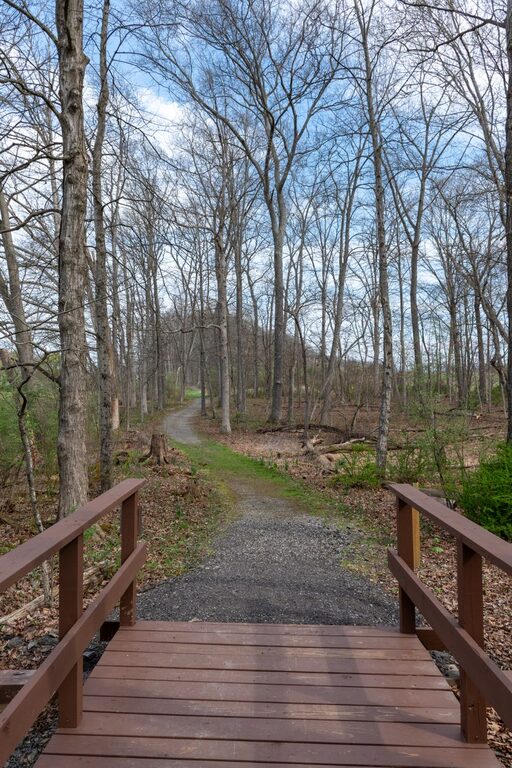
Exploring your local area on foot is a simple way to notice places you may usually pass without seeing. A short walk can lead you through quiet neighborhoods, public parks, historic streets, waterfront paths, or green spaces close to home.
You do not need special equipment or advanced experience to get started. With a little planning, you can create a walking route that feels comfortable, interesting, and easy to follow.
Why Local Walking Routes Are a Great Starting Point
Local walks are convenient because they often begin close to home. You can choose how long you want to be out, change your route along the way, and return quickly if the weather changes or you feel tired.
Walking locally also helps you become more familiar with your surroundings. You may discover a small garden, a public art display, a quiet trail, or a neighborhood café that you had never noticed before.
Beginner-friendly routes usually have a few helpful features:
– A clear starting point
– Mostly level or gently sloping paths
– Safe places to cross roads
– Regular points where you can stop and rest
– Easy access to water, restrooms, or public transportation
– A simple way to shorten or extend the walk
Start With a Simple Neighborhood Loop
A neighborhood loop is one of the easiest routes to plan. Choose a starting point, such as your home, a library, a community center, or a local store. From there, walk along familiar streets and create a loop that brings you back to your starting point.
For your first walk, aim for 20 to 30 minutes. This gives you enough time to explore without making the route feel like a major commitment.
When planning a neighborhood loop, look for:
– Sidewalks or clearly marked walking areas
– Streets with lower traffic
– Shade from trees or buildings
– Safe crossings at intersections
– Interesting buildings, gardens, or public spaces
You can make the walk more enjoyable by choosing a theme. For example, look for colorful front doors, local murals, unusual signs, mature trees, or architectural details. A simple theme gives you something to notice as you walk.
Explore a Local Park
Parks often provide some of the most comfortable walking routes for beginners. Many have paved paths, open spaces, benches, and clear signs. Some parks also offer several route options, allowing you to choose a distance that matches your energy level.
Start by checking the park map, either at the entrance or online. Look for a short loop rather than trying to cover the entire park on your first visit. A route around a pond, garden, or central lawn may provide a pleasant introduction.
If the park has several paths, pay attention to the surface. Paved paths are usually easier for beginners, while gravel, grass, or uneven trails may require more care. Wear shoes that feel secure and comfortable, especially if you plan to walk on changing surfaces.
Make the Most of a Park Walk
A park walk can be more than simply moving from one point to another. Consider stopping at a bench to enjoy the view, watching birds from a distance, or reading information boards about local plants and history.
Remember to follow posted park rules. Stay on marked paths when requested, keep a respectful distance from wildlife, and take all trash with you.
Try a Waterfront or Greenway Path
If your area has a river, lake, canal, beach, or dedicated greenway, it may offer a scenic route with a clear direction. Waterfront paths are often easy to follow because the landscape provides a natural guide.
Choose a section that matches your experience. You do not need to walk from one end of the path to the other. Instead, select a turnaround point, such as a bridge, viewpoint, picnic area, or public building.
Before setting out, check whether the route includes:
– Paved or well-maintained surfaces
– Lighting if you may return near sunset
– Nearby parking or transit stops
– Water fountains or restrooms
– Sections exposed to sun, wind, or rain
Some waterfront routes can become busy during popular hours. If you prefer a quieter experience, consider walking earlier in the day or choosing a weekday.
Discover Local History on Foot
Many towns and cities have historic districts, self-guided walking tours, or signs explaining important buildings and public spaces. These routes combine gentle exercise with an opportunity to learn more about your community.
Search your local library, visitor center, historical organization, or city website for suggested routes. You may find a printed map, an online guide, or a list of notable locations.
A history walk can be planned as a short route between several points of interest. Keep the distance manageable and include time to stop and read signs or take photographs. If the route follows busy streets, stay aware of traffic and use designated crossings.
You can also create your own local history walk by choosing five locations, such as:
- An older public building
- A historic marker
- A place of worship or community hall
- A traditional shopping street
- A park, monument, or town square
Plan a Route Around Useful Stops
A practical route can be a good choice when you want walking to fit naturally into your day. Walk to a farmers market, post office, bookstore, grocery store, or coffee shop rather than traveling directly by car.
This type of route may be easier to maintain because it has a clear purpose. You can also adjust the distance by choosing a nearby destination or adding a block or two on the way home.
When planning a useful walking route, consider carrying only what you need. A small backpack or reusable bag can make the walk more comfortable than carrying items by hand.
Use Simple Tools to Plan Ahead
You can plan many local walks with a basic map. Online map services, park websites, and community resources may show sidewalks, trails, public facilities, and elevation changes.
Before leaving, check:
– The total distance
– The estimated walking time
– The location of restrooms and water
– Road crossings and busy intersections
– Weather conditions
– Whether the path is open and accessible
For a first route, choose a distance that feels slightly easy rather than overly challenging. You can always walk farther next time.
Stay Comfortable and Aware
Comfortable clothing and supportive shoes are usually enough for a casual local walk. Dress for the weather and bring water when appropriate. In warm conditions, choose shaded routes or walk during cooler parts of the day.
Keep your phone charged, especially if you are trying an unfamiliar route. Let someone know where you are going if you plan to walk alone for a longer period.
Stay aware of your surroundings. Follow traffic signals, use marked crossings, and avoid distractions when walking near roads or crowded areas. If a route feels uncomfortable, turn around and choose a different path.
Build a Regular Walking Habit
Once you find a route you enjoy, repeat it at different times of day or in different seasons. Familiar routes can feel new when the light, weather, and surroundings change.
You can also create a small collection of routes:
– A 15-minute quick walk
– A 30-minute neighborhood loop
– A one-hour park or greenway route
– A weekend route with local points of interest
The goal is not to walk the farthest distance. It is to create an enjoyable way to explore nearby places at a pace that suits you. Start with one simple route, notice what makes it pleasant, and use that experience to plan your next local adventure.