
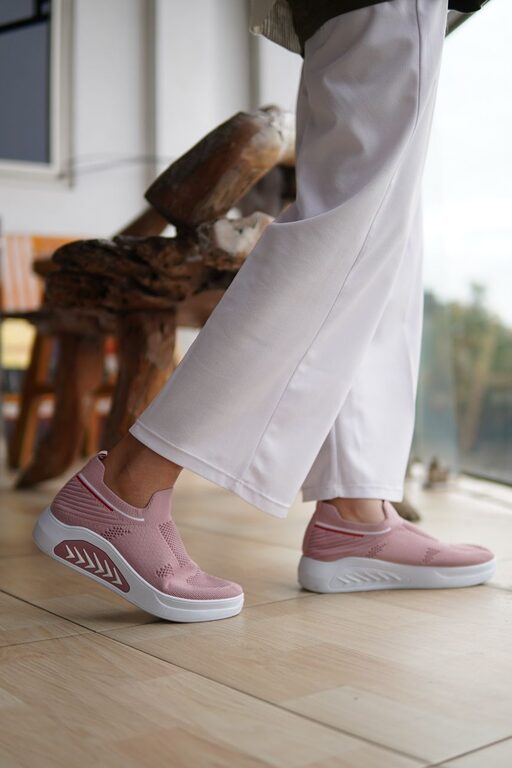
Walking is one of the simplest ways to stay active, run errands, and enjoy time outdoors. The right shoes can make daily walks more comfortable and help you feel confident on different surfaces. However, choosing a pair can be challenging when stores offer countless styles, materials, and features.
Comfort is personal, but a few practical guidelines can help you find shoes that fit well and suit your walking routine. From measuring your feet to testing the fit, here is what to look for when choosing comfortable shoes for daily walking.
Start With Your Walking Needs
Before comparing shoe features, think about where and how you usually walk. Your daily routine will help determine the best type of shoe.
Consider these questions:
– Do you walk mostly on sidewalks, indoor floors, or trails?
– Are your walks short and casual, or do they last an hour or more?
– Do you wear the shoes for errands, commuting, travel, or exercise?
– Do you need a pair that works in warm, rainy, or cold weather?
– Will you wear the shoes with regular socks, thick socks, or no-show socks?
A lightweight walking shoe may work well for errands and paved paths. If you spend time on uneven trails, a shoe with a more durable outsole and added traction may be a better choice. For everyday use, versatility is often more valuable than a highly specialized design.
Measure Your Feet Correctly
Shoe sizes can vary between brands and styles, so do not rely only on the number printed inside your current shoes. Measure your feet when shopping for a new pair, especially if it has been a long time since your last fitting.
Feet may be slightly different in length or width. Measure both and choose a shoe that comfortably accommodates the larger foot.
For the most useful measurement:
- Measure your feet later in the day, when they may be slightly larger.
- Wear the socks you plan to use with the shoes.
- Stand while measuring, since your feet can spread under your weight.
- Check both length and width.
- Compare your measurements with the brand’s size chart.
If you shop in person, ask a sales associate to measure your feet. If you shop online, read the brand’s fitting notes and review customer comments about sizing.
Look for a Comfortable Fit
A good fit should feel comfortable as soon as you put the shoes on. Walking shoes generally should not require a long break-in period. Minor stiffness may improve with use, but pressure, rubbing, or pain usually means the fit is not right.
Check the following areas:
Toe Room
Your toes should have enough space to move naturally. Leave roughly a thumb’s width between your longest toe and the front of the shoe. Your toes should not press against the upper or curl to create extra room.
The shoe should also be wide enough across the front of your foot. If your toes feel squeezed together, try a wider size or a different shape.
Heel Fit
Your heel should stay comfortably in place as you walk. A small amount of movement may be normal, but excessive slipping can cause rubbing and irritation.
Try tightening the laces gradually from the bottom upward. If the heel still slips, look for a different heel shape or another shoe style.
Midfoot Fit
The middle of the shoe should feel secure without being tight. The laces or fastening system should hold your foot in place without creating pressure across the top.
Avoid shoes that feel loose enough to make your foot slide forward. You may be tempted to tighten them too much, which can make the upper uncomfortable during longer walks.
Choose Support That Feels Natural
Walking shoes often include features such as cushioned midsoles, molded footbeds, and structured heels. These features can affect how the shoe feels, but more support is not automatically better for everyone.
The best option is usually the one that feels stable and comfortable while allowing a natural stride. When trying on shoes, walk on a firm, level surface and notice whether your feet feel balanced.
Look for:
– Even cushioning under the foot
– A stable base that does not wobble
– A sole that bends near the front of the foot
– A secure heel counter without uncomfortable pressure
– A footbed that feels comfortable from heel to toe
Avoid choosing a shoe based only on appearance or a long list of technical features. Comfort during movement is a more useful guide than marketing claims.
Pay Attention to Cushioning
Cushioning affects how a shoe feels underfoot. Some walkers prefer a soft, padded feel, while others prefer a firmer and more responsive sole.
Soft cushioning can feel comfortable on hard sidewalks, but a very soft shoe may feel unstable to some people. Firmer cushioning can provide a steadier feel, though it may not appeal to those who prefer a plush step.
When comparing shoes, take several minutes to walk in each pair. Pay attention to how your feet feel after repeated steps, not just how the shoes feel while standing.
Keep in mind that cushioning materials can change over time. A pair that feels comfortable in the store may lose some of its softness after regular use, so durable construction is also important.
Consider Breathable Materials
For daily walking, breathable materials can help your feet feel more comfortable, particularly in warm weather or during longer walks. Mesh uppers often allow more airflow than solid synthetic materials.
However, breathability is only one consideration. Choose materials based on your usual conditions:
– Mesh can provide airflow and flexibility.
– Leather or coated materials may offer more protection from light moisture.
– Water-resistant designs can be useful in damp weather.
– Removable insoles may make the shoes easier to clean or replace.
Look closely at the seams and inside lining. Rough edges or stiff sections can become irritating during extended wear.
Check the Outsole and Traction
The outsole is the part of the shoe that contacts the ground. For daily walking, it should offer a good balance of grip, flexibility, and durability.
A smooth, flexible outsole may work well indoors or on clean sidewalks. If you regularly walk on wet pavement, gravel, or uneven paths, choose a tread pattern that offers more traction.
Test the shoe by gently bending the front. It should flex where your foot naturally bends, but it should not fold easily through the middle. Also check whether the outsole feels stable when you turn or change direction.
Try Shoes on the Right Way
When shopping in a store, try on both shoes and walk for several minutes. Feet can vary slightly, so testing both helps reveal differences in fit.
Use these tips:
– Wear your usual walking socks.
– Try shoes later in the day.
– Walk on different surfaces if possible.
– Go up or down a size only if the overall fit remains comfortable.
– Do not buy a shoe that feels tight with the expectation that it will stretch significantly.
– Compare multiple brands and styles rather than forcing one pair to work.
For online purchases, check the return policy before ordering. A flexible return window makes it easier to test the shoes at home on clean floors.
Know When to Replace Walking Shoes
Even high-quality walking shoes eventually wear out. Check the outsole for worn areas, uneven tread, or smooth patches. Also look for compressed cushioning, damaged seams, and a heel that leans to one side.
You may notice that your feet feel more tired than usual after wearing an older pair. This can be a sign that the shoes no longer provide the comfort or stability they once did.
Instead of waiting for visible damage, inspect your walking shoes regularly. Replacing them when they are noticeably worn can help you maintain a comfortable daily routine.
Final Tips for Finding the Right Pair
The best daily walking shoe is not necessarily the most expensive or the most technical. It is the pair that fits your feet, matches your walking environment, and feels comfortable throughout the day.
Before buying, make sure the shoes provide:
– Enough room for your toes
– A secure but comfortable heel
– Support that feels natural
– Cushioning suited to your preferences
– Breathable or weather-appropriate materials
– Reliable traction
– Flexible movement at the front of the foot
Take your time, compare several options, and trust how the shoes feel while walking. A comfortable fit can make daily walks more enjoyable and make it easier to keep moving as part of your regular routine.